
Rip’s Newsletter
November 20, 2026
Compiled and Edited
by
Jim Reynolds

Articles in This Issue
Victor Davis Hanson - The Iranian Theocracy Is the Scorpion — We Must Not Play Its Frog
Luis Gonzalez - The Paradox Of Abundance
Peter Navarro - The Chessboard In Manila: Trump’s Asia Trip, Square by Square
Jim Reynolds - An Alliance That Cannot Last
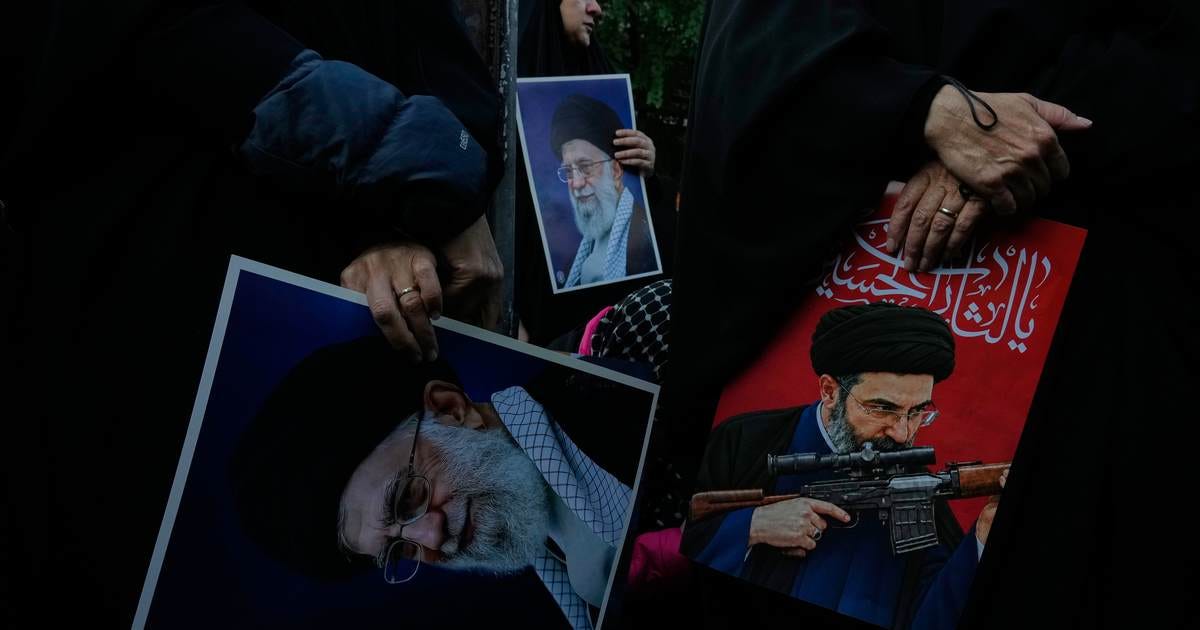
The Iranian Theocracy Is the Scorpion — We Must Not Play Its Frog
By: Victor Davis Hanson Townhall
Date: 2026-11-19 · Words: 1,742
Victor Davis Hanson argues that Iran’s ruling theocracy is inherently hostile, cannot be trusted to negotiate in good faith, and will continue terrorism, assassination plots, cyberattacks, and proxy warfare regardless of Western concessions.
He says recent threats against U.S. officials, American bases, and European targets show a pattern of Iranian coercion that has already forced Western retreats and redeployments.
Hanson frames Iran as seeking regional dominance, Israel’s destruction, and eventual pressure on the West, while exploiting perceived Western weakness, appeasement, and political division.
He contends the regime is economically vulnerable and strategically cornered, but still dangerous because it hopes for a more accommodating U.S. government.
The article’s central warning is that Washington should not “play the frog” by trusting a regime that, in his view, cannot change its nature.
This story shows Hanson’s case that Iran is an irredeemably aggressive regime that must be deterred through sustained pressure, not negotiated with as a reliable partner.
🅱️ Hanson isn’t just writing an op-ed; he’s handing out a survival manual. He takes a tired old fable and uses it to pin the tail on the globalist donkey. It’s a heavy-hitting reminder that some predators don’t want a seat at the table—they just want to burn the house down.


The Paradox Of Abundance
By: Luis Gonzalez American Thinker
Date: 2026-11-17 · Words: 1,123
The essay argues that younger Americans, including the author’s son, are judging their prospects against a prosperity baseline created by older generations and then feeling deprived when they cannot immediately match it.
It acknowledges real economic strain for young adults, especially in housing, education, insurance, and inflation, citing a roughly 21 percent rise in the Consumer Price Index from January 2021 to December 2024.
But it says the deeper problem is that comforts once seen as achievements become expectations, and familiarity erodes appreciation for the effort required to build them.
The author draws on his own experience of uncertainty and gradual stability to argue that parents can give children a better starting point without guaranteeing the same lifestyle forever.
He warns that politics feeds on this gap between expectations and reality, but no government can promise every generation identical material outcomes.
This story shows how rising prosperity can turn inherited comfort into entitlement and fuel political resentment when younger generations cannot sustain the standard they grew up with.
🅱️ A thoughtful bridge between the dinner table and the ballot box. It avoids the easy trap of blaming the kids while still calling out the entitlement creep that fuels political rage. It’s a sober look at how we accidentally build our own disillusionment.
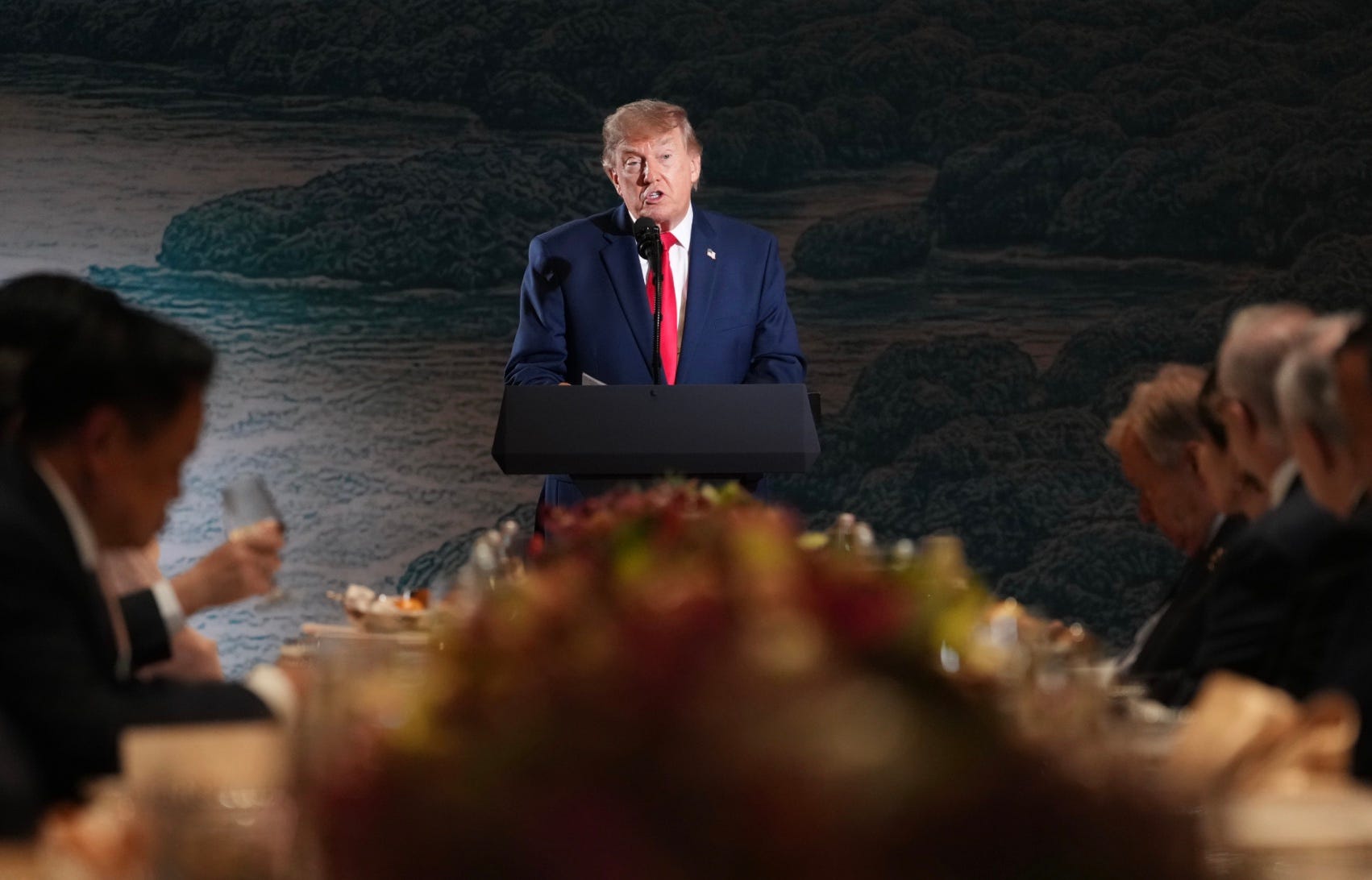
The Chessboard In Manila: Trump’s Asia Trip, Square by Square
By: Peter Navarro peternavarro.substack.com
Date: 2026-11-18 · Words: 1,497
President Trump’s Asia trip is framed as a strategic chessboard rather than a travel log, with each Manila stop advancing a broader contest with China.
The centerpiece is a reciprocal trade framework with Thailand that keeps U.S. tariffs in place while Thailand eliminates tariffs on American exports, opens its market to U.S. autos, drugs, ethanol, meat and poultry, and commits to curb forced labor, illegal logging, piracy and transshipment used to evade U.S. duties.
Navarro argues that ASEAN’s consensus rules give Beijing a veto, so Washington is instead working country by country, including with the Philippines as a First Island Chain ally facing direct Chinese pressure in the South China Sea.
The trip also produced a revived Quad signal, with Trump, Japan, India and Australia announcing maritime patrol exercises, a surveillance network and critical minerals cooperation aimed at resisting coercion and protecting sea lanes.
India remains a difficult but essential partner: the U.S. is pressing it on tariffs and visas while relying on its position against China in the Indian Ocean.
The article says the combined effect is a clear message to Beijing that fair trade and strong partners are central to U.S. strategy.
This story shows Trump using trade, alliances and maritime deterrence across Asia to pressure China and strengthen the U.S. position before
🅱️ Navarro isn’t just reporting; he’s laying out the playbook. It’s a clear-eyed look at how leverage actually works when you stop playing by the rules of the polite losers. A solid map for those who want to see how the pieces actually move.
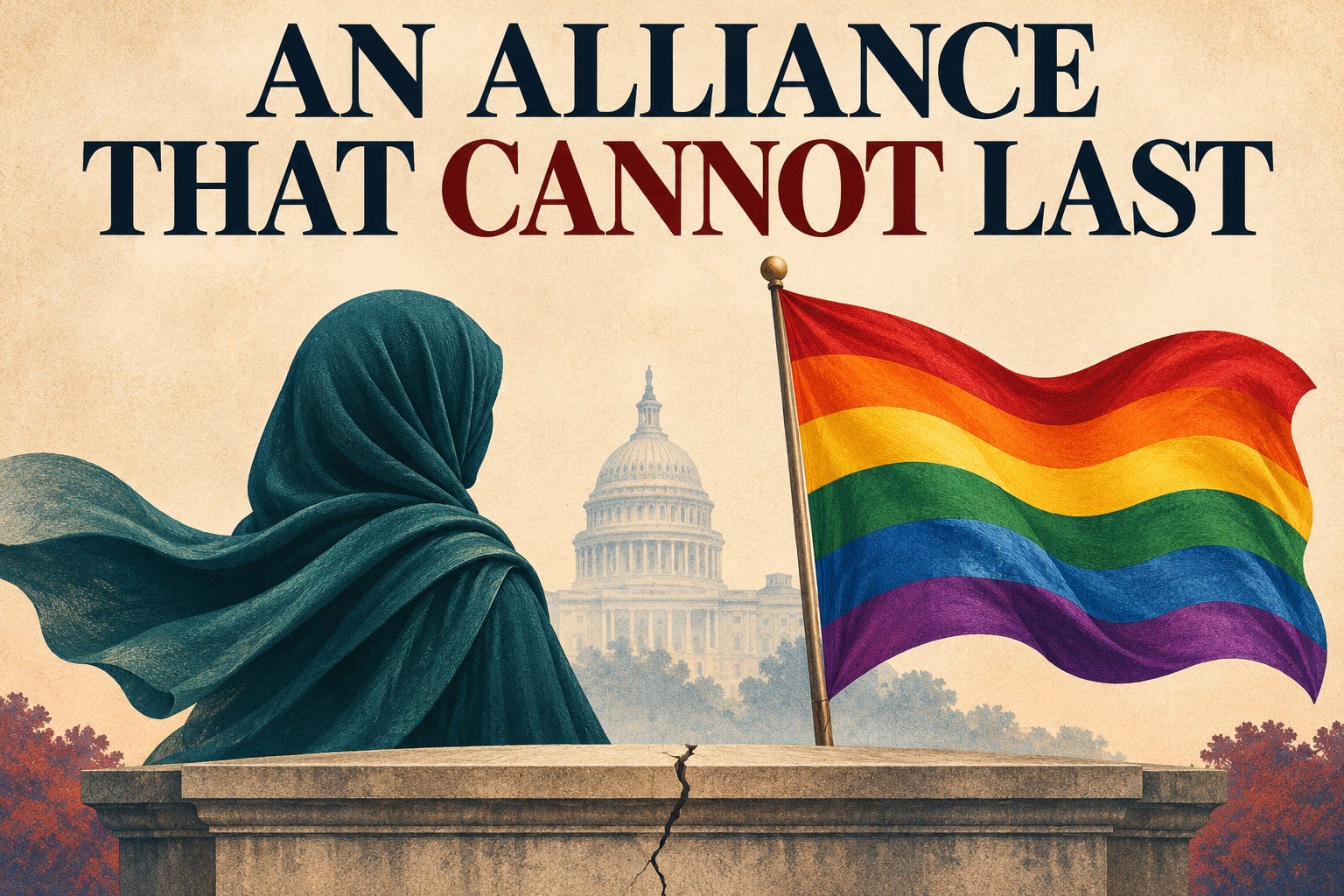
An Alliance That Cannot Last
By: Jim Reynolds www.reynolds.com
Date: 2026-11-18 · Words: 1,338
Jim Reynolds argues that the Democratic coalition is being strained by a deeper incompatibility between progressive sexual politics and conservative Muslim beliefs about gender, family, and religious authority.
He uses the hijab and the rainbow flag as symbols of a partnership that works as long as both sides are united mainly by opposition to Republicans, but becomes unstable when governing requires decisions on schools, public symbols, and civil rights.
The piece cites Hamtramck, Michigan, where an all-Muslim city council banned Pride flags on city property, and Montgomery County, Maryland, where Muslim and Christian parents won a Supreme Court fight over LGBTQ-inclusive schoolbooks, as examples of the collision.
Reynolds also points to Pew data showing major gaps between Muslim Americans and Democrats on homosexuality, transgender acceptance, and abortion, arguing that these differences are too large to paper over with diversity rhetoric.
He concludes that the alliance can survive only by tolerating real ideological conflict, or else it will fracture as soon as it has to exercise power.
This story shows how a tactical progressive coalition with religious conservatives is likely to face a governing crisis over gender, sexuality, and authority.
🅱️ A sharp look at the math of a marriage of convenience that’s running out of excuses. It points out the fuse before the explosion, showing how a coalition built on ‘anti-everything’ hits a wall when it actually has to run the place.
You may also be interested in the following selected stories:
Can Europe Survive? — John Hinderaker, Power Line
Rutgers Has Been Chilling Conservative Speech For A Long Time — Jack Scheader, The Federalist
Here’s How Trump Can Stop Cartels Ramping Up Border Crossings — Colton Overcash, The Federalist
Isn’t It Time for the GOP to Start Holding Its Consultants Accountable? — Scott McKay, The American Spectator
Federal Corruption Charges Aren’t Stopping Virginia Democrat Louise Lucas From Clinging to Power — Ben Smith, RedState
Dividing to Unite: The Collectivist Paradox — Michael Smith Analyst, The Patriot Post
NIH Chief Bhattacharya Calls for Probe Into Fauci and Allies Suppressing Lab Leak Theory Anonymously. — Wednesday, Nationalpulse
New Poll Shows 84 Percent of Voters Want Crackdown on Medicaid and Medicare Waste — Ben Smith, RedState